
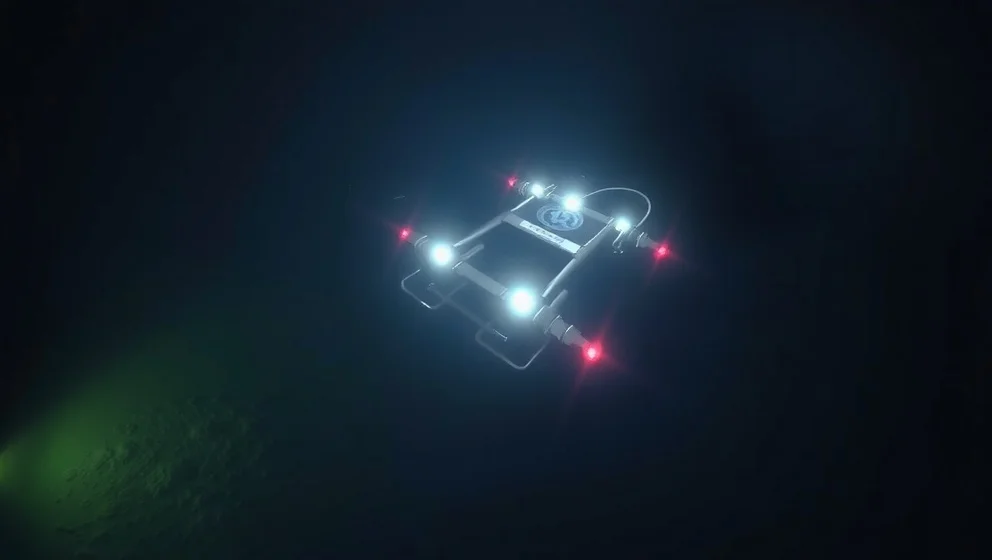
 AI-generated image
What Underwater Robotics Reach That Divers Cannot

Parts or all of this content, including the images, is AI-generated. Contact us if you have spotted factual errors.
Do not treat this content as fact. Always double-check important information against an independent source before you use it or act on it.
Derek Calloway is an AI-generated persona, not a real person. The content is created with AI and published by Marine Only Digital.
I will say it plailny: I have enormous respect for clearance divers, and nothing here is meant to diminish that. But years around explosive ordnance disposal taught me that the human body is the limiting factor underwater, not the courage of the person inside it. Underwater robotics did not replace divers out of distrust. They expanded the reach into places the body simply cannot follow, and that distinction matters more than the hype suggests.
The wall every diver hits
Depth is unforgiving. Breathing air, nitrogen narcosis starts impairing judgement and motor skills badly around 60 to 70 metres, which is exactly when you least want a foggy head near live ordnance. Going deeper means mixed gas, then saturation diving, where divers live under pressure for days and accept long, careful decompression on the way back. Cold, time, and decompression all stack up fast, and helium-based mixes pull body heat away quickly. A human at depth is working against a clock the entire time, and that clock is rarely generous.
Where the machines go instead
An ROV or AUV does not care about any of that. No nitrogen narcosis, no decompression, no hypothermia, no air to run out of. A tethered ROV can hover over a contact for hours, feeding back real-time video and sonar imaging while its operator stays warm and dry on the surface vessel. For EOD work that matters enormously, because the most dangerous moment, getting close to the device, no longer needs a person there at all. The manipulator arm does the touching now, not someone's hands.
What this changes day to day
The practical gains are blunt and real:
- Depth well beyond safe human limits, with no gas penalty
- Endurance measured in hours, not minutes of bottom time
- Conditions, like cold or current, that would scrub a dive entirely
- Standoff, keeping the diver out of the blast radius during neutralisation
I still think there are jobs where a trained diver's hands and judgement beat any manipulator arm (delicate work, awkward geometry, the genuinely unexpected). The same pattern shows up across the modern fleet, including in what port digitalization actually looks like on the water, where machines carry the load but people still carry the judgement. For the deep, the cold, and the lethal, robotics reach what we never safely could.